
Fall landscaping in Spokane doesn’t have to stop when October arrives. With mild days still giving us opportunities to work, Copper Creek Landscaping is taking advantage of workable ground and above-freezing temperatures to move outdoor projects forward before winter.
For homeowners in Spokane and North Idaho, this can be a practical time to begin a landscape renovation. A new patio, retaining walls, or a complete backyard transformation can be planned across two seasons, with key construction completed in fall and planting and finishing touches scheduled for spring.
The key is a clear plan. Phased landscape construction considers what we can accomplish before winter, how your property will be protected during the pause, and what conditions we need before returning to finish.
How Fall Landscaping in Spokane Can Give Your Project a Head Start
Starting your landscape project in fall can reduce the amount of construction remaining when spring arrives. Instead of beginning next season with demolition and excavation, your property may already have drainage, retaining walls, or a patio in place.
Every phased project starts with a complete landscape design. Patio elevations, walls, steps, drainage, irrigation, lighting, and planting beds need to work together, even when they are installed months apart.
We then identify a practical stopping point for winter. For one property, that might mean completing the main hardscape and returning for plants and lawn. For another, the fall phase may focus on grading, drainage, and structural preparation, with additional construction scheduled for spring.
Planning the entire project upfront also helps prevent unnecessary rework. Underground sleeves for irrigation and lighting, for example, can be installed before a patio is built so finished surfaces do not need to be disturbed later.
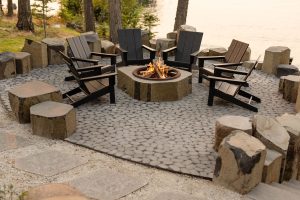
What Landscape Construction Can Be Completed in Fall?
Fall landscape construction often focuses on the foundation of your outdoor space. This is the work that establishes elevations, supports patios and walls, and manages water before the final landscape finishes are installed.
Depending on your design, site access, and weather, fall work may include:
- Removing existing patios, lawn, or other landscape features.
- Excavating and grading the site.
- Installing drainage and underground sleeves.
- Building retaining walls and steps.
- Preparing or installing patios and walkways.
- Installing portions of the irrigation system.
Completing these stages before winter can leave less heavy equipment work for spring. It also establishes the structure of the landscape before trees, shrubs, perennials, and lawn are added.
However, a warm afternoon does not guarantee suitable construction conditions. Overnight temperatures, soil moisture, and the forecast all affect what can be installed properly. Concrete, mortar, adhesives, and other products have specific installation and curing requirements. Structural fill and patio bases also need suitable conditions for compaction.
For fall landscaping in North Idaho and Spokane, we evaluate the actual site conditions as work progresses. The construction sequence needs enough flexibility to respond when weather changes.
How We Plan Your Landscape Site for Winter
A project paused for winter will look unfinished, and that should be part of the conversation before construction begins. You may have completed retaining walls and a patio alongside planting beds that are still waiting for soil preparation and plants.
Other areas may have temporary protective coverings or a stabilized access route reserved for equipment when work resumes. The appearance of the site depends on the project’s scope and the agreed winter stopping point.
Preparing the site for winter means considering drainage, erosion protection, safe access, and protection of completed work. Depending on the property, this may include temporary mulch or other soil coverings, measures to manage runoff, and barriers around unfinished areas. Any installed irrigation components also need appropriate winterization.
We also discuss how the construction area will affect your use of the property. Access to doors, driveways, and frequently used routes should be considered, along with areas that need to remain out of use.
A successful phased landscape project includes clear expectations about what will be completed in fall, what will remain unfinished, and how the property will be managed until spring.

What Is Completed During Spring Landscape Installation?
Spring landscape installation begins when the ground and access routes are ready for the next stage of work. A few sunny days can help, but the site must be sufficiently thawed and drained to support equipment and installation.
When we return, we assess the property and check for areas affected by winter that may need adjustment. Any remaining heavy construction is completed in the appropriate sequence before surrounding landscape finishes go in.
The spring phase may include final grading, planting bed preparation, trees, shrubs, perennials, lawn installation, irrigation completion and testing, landscape lighting, and mulch. Remaining patio or walkway work may also be part of this phase, depending on what was accomplished in fall.
Completing equipment work before planting helps protect the new landscape. It also allows us to prepare the soil and establish finished grades without driving through newly installed beds or lawn.
Final cleanup and a walkthrough bring the project together, along with guidance for watering and caring for your new outdoor space.
What Can Delay Landscape Construction in Spring?
Spring weather in Spokane and North Idaho can create a gap between when a property looks ready and when it can support construction. Snow cover, frozen ground, and saturated soil may delay excavation or equipment access.
Heavy equipment on soft ground can create deep ruts and compact the soil. Waiting for suitable conditions helps protect the property and provides a better foundation for the finished landscape.
Seasonal road weight restrictions can also affect spring landscape construction. During thaw periods, weakened road foundations may require limits on heavy loads. These restrictions can delay trucks carrying gravel, soil, pavers, large trees, or equipment, even when your property itself is accessible.
This is especially relevant for properties reached by roads subject to seasonal restrictions in Eastern Washington and the Idaho Panhandle. Delivery routes need to be checked as work approaches because restrictions vary by road and conditions.
Persistent rain, material availability, and required inspections can also influence the schedule. Starting in fall can reduce the work remaining in spring, but the final timeline still depends on suitable conditions and access.
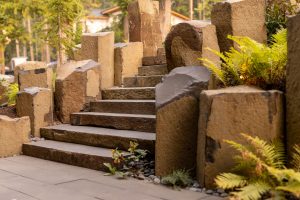
Is Fall or Spring the Best Time for Landscape Planting?
Both fall and spring can offer good planting opportunities. Cooler fall temperatures can reduce moisture stress, while soil that remains warm enough can support root growth for many hardy trees, shrubs, and perennials. New plants still need adequate watering while the ground is unfrozen.
For phased landscape construction, spring planting often fits the project sequence better. It allows heavy equipment work to finish first and gives us an opportunity to prepare planting beds when the soil is workable.
Plants near the limit of their cold tolerance may also benefit from spring installation, giving them a full growing season before their first winter. The right timing depends on the species, site exposure, soil conditions, and remaining construction.
The best planting conditions include unfrozen, workable soil with adequate moisture and drainage. Saturated ground or frozen soil should prompt a delay, regardless of the calendar. We plan planting around the conditions that support establishment and long-term growth.
An Example of a Landscape Project Phased Across Fall and Spring
Imagine a backyard renovation with a larger patio, retaining wall, new planting beds, irrigation, and lawn.
In fall, we might remove existing features, establish drainage and elevations, install underground sleeves, and build the retaining wall and patio where conditions allow. The surrounding unfinished areas would then be prepared for the winter pause.
In spring, we would assess the site, complete soil preparation, install plants and lawn, finish and test irrigation, and add lighting and mulch. With major structural work already completed, the spring phase could focus on bringing the finished landscape together.
Every property needs its own construction sequence, but this illustrates how a fall start can contribute to a coordinated spring finish.
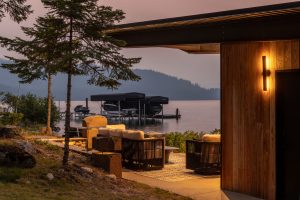
Plan Your Fall Landscaping in Spokane and North Idaho
You don’t have to wait until spring to begin planning—and, when conditions allow, building—your new outdoor space. A fall start can put meaningful progress behind your project before the next growing season arrives.
Copper Creek provides landscape design and construction for homeowners in Spokane, Hayden, Sandpoint, and surrounding North Idaho communities. We can help you identify what makes sense to complete this fall and develop a realistic plan for the remaining work.
Contact Copper Creek Landscaping to discuss your project and make this fall part of next year’s finished landscape.